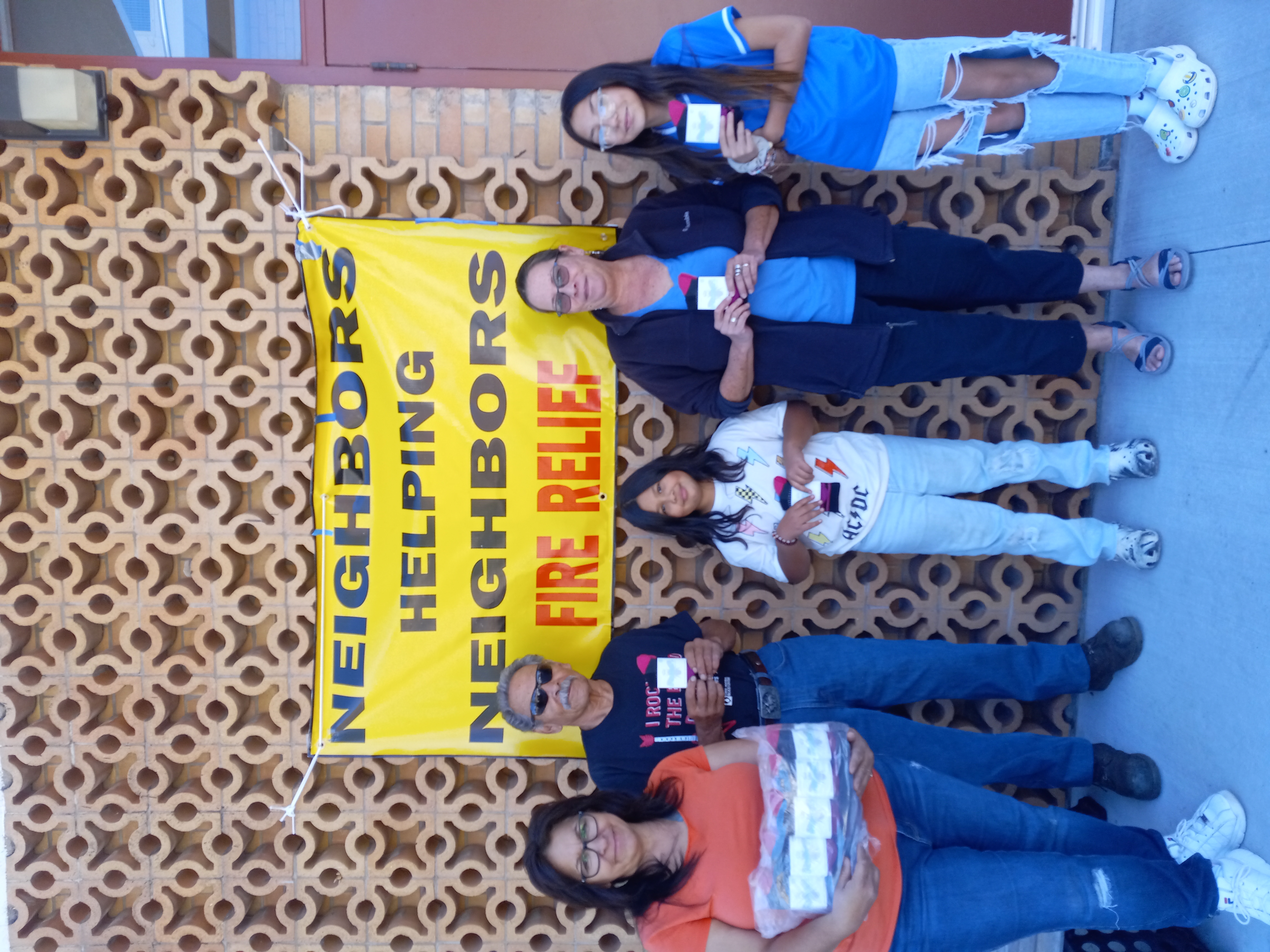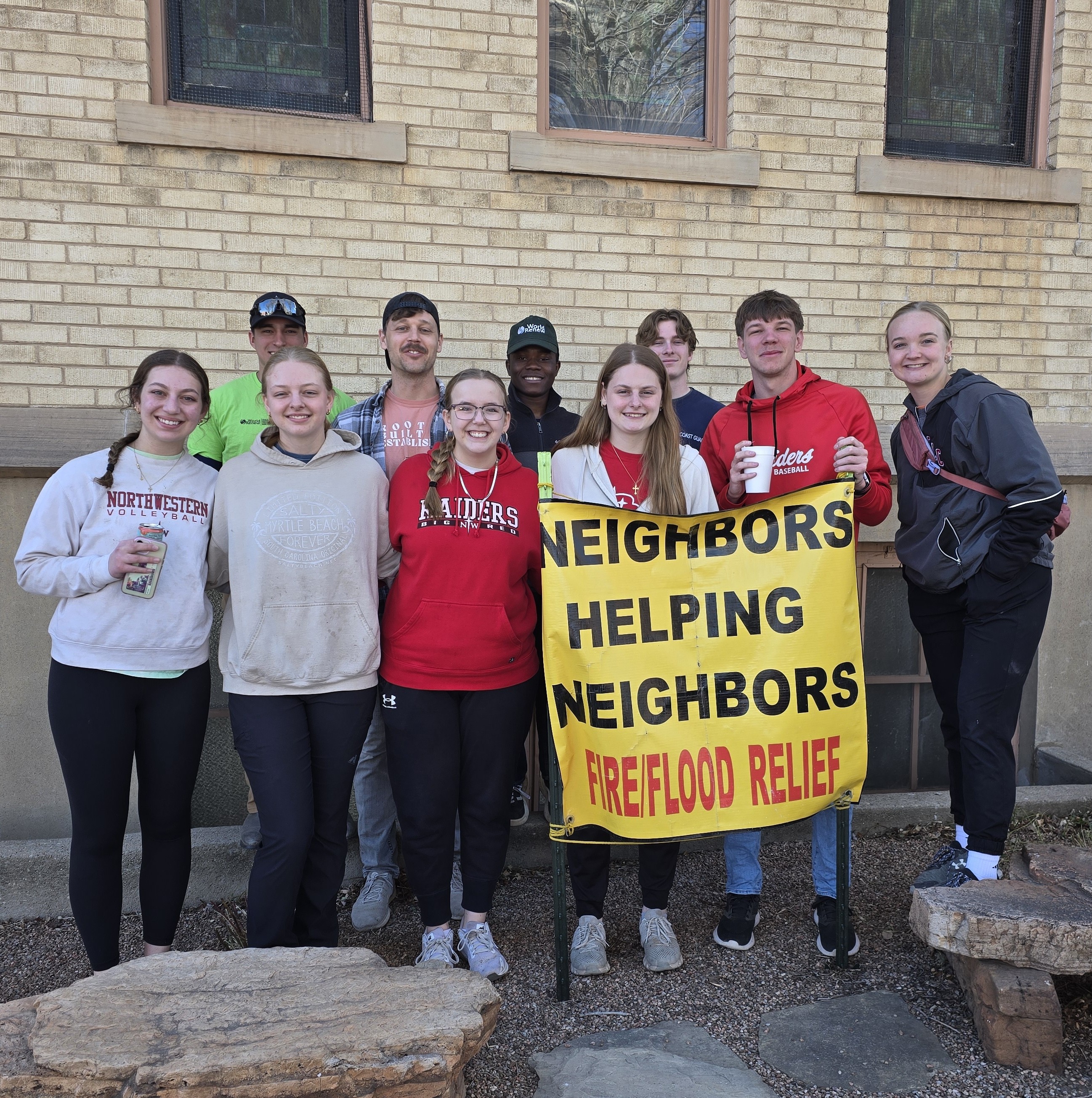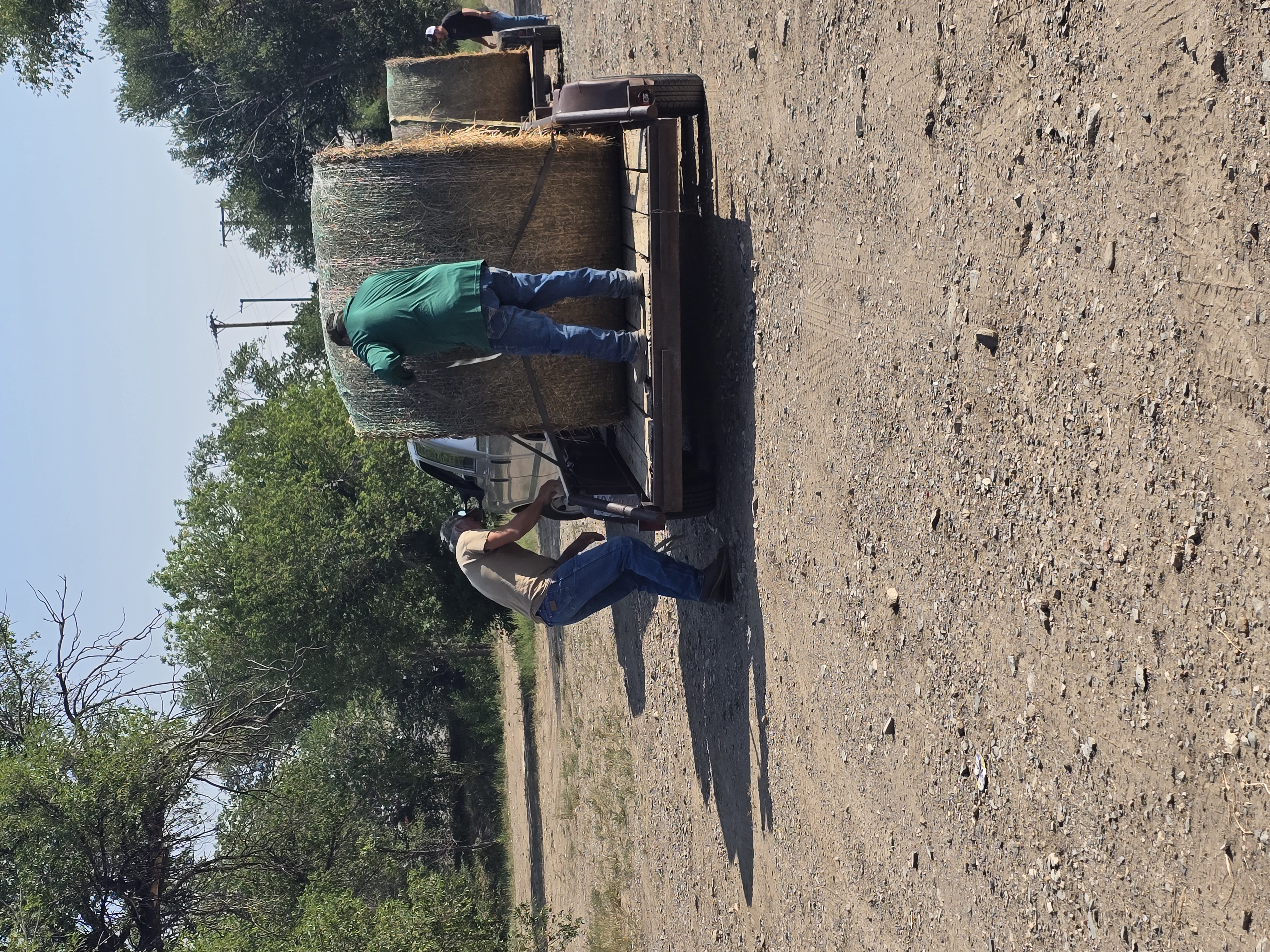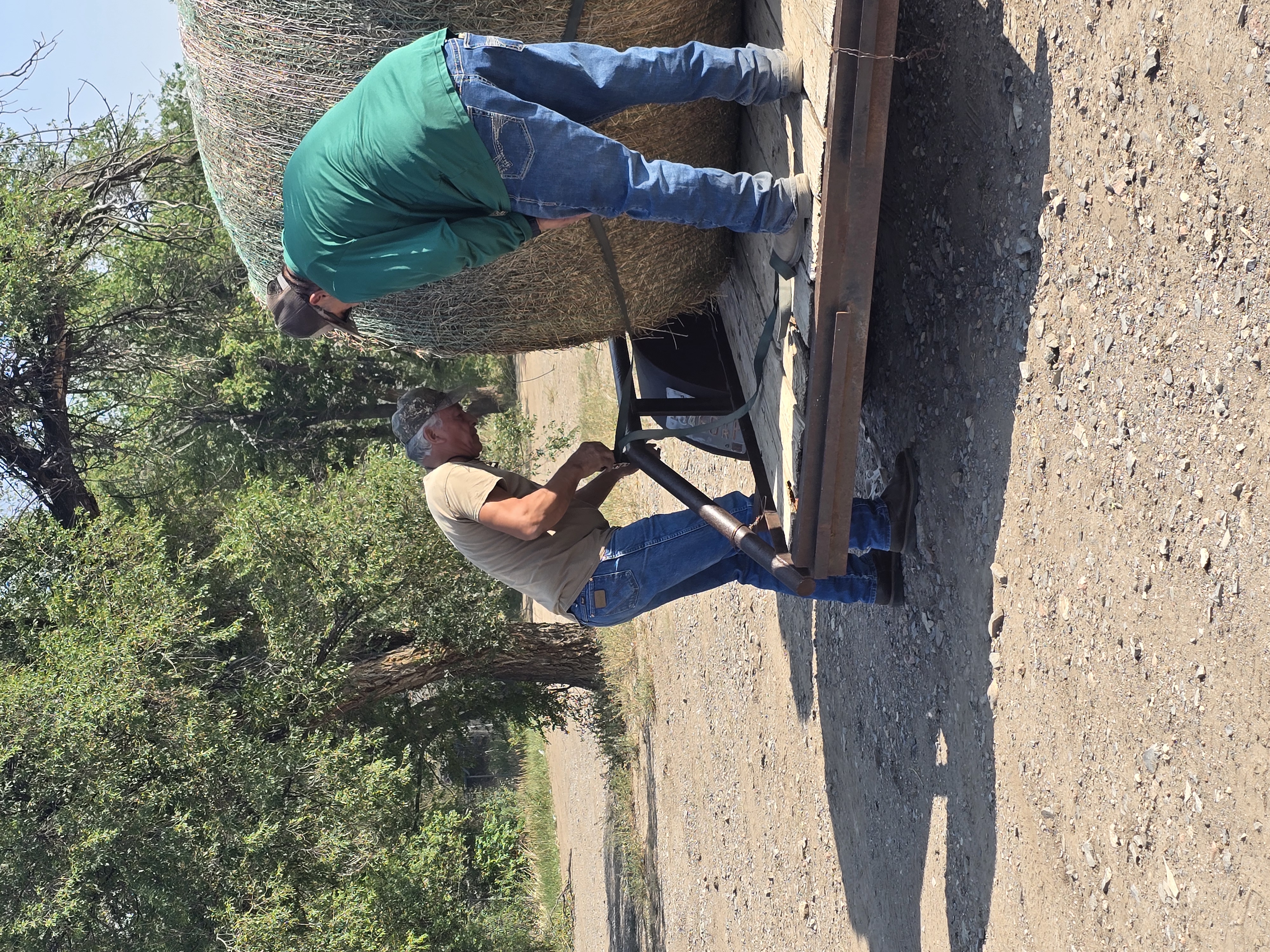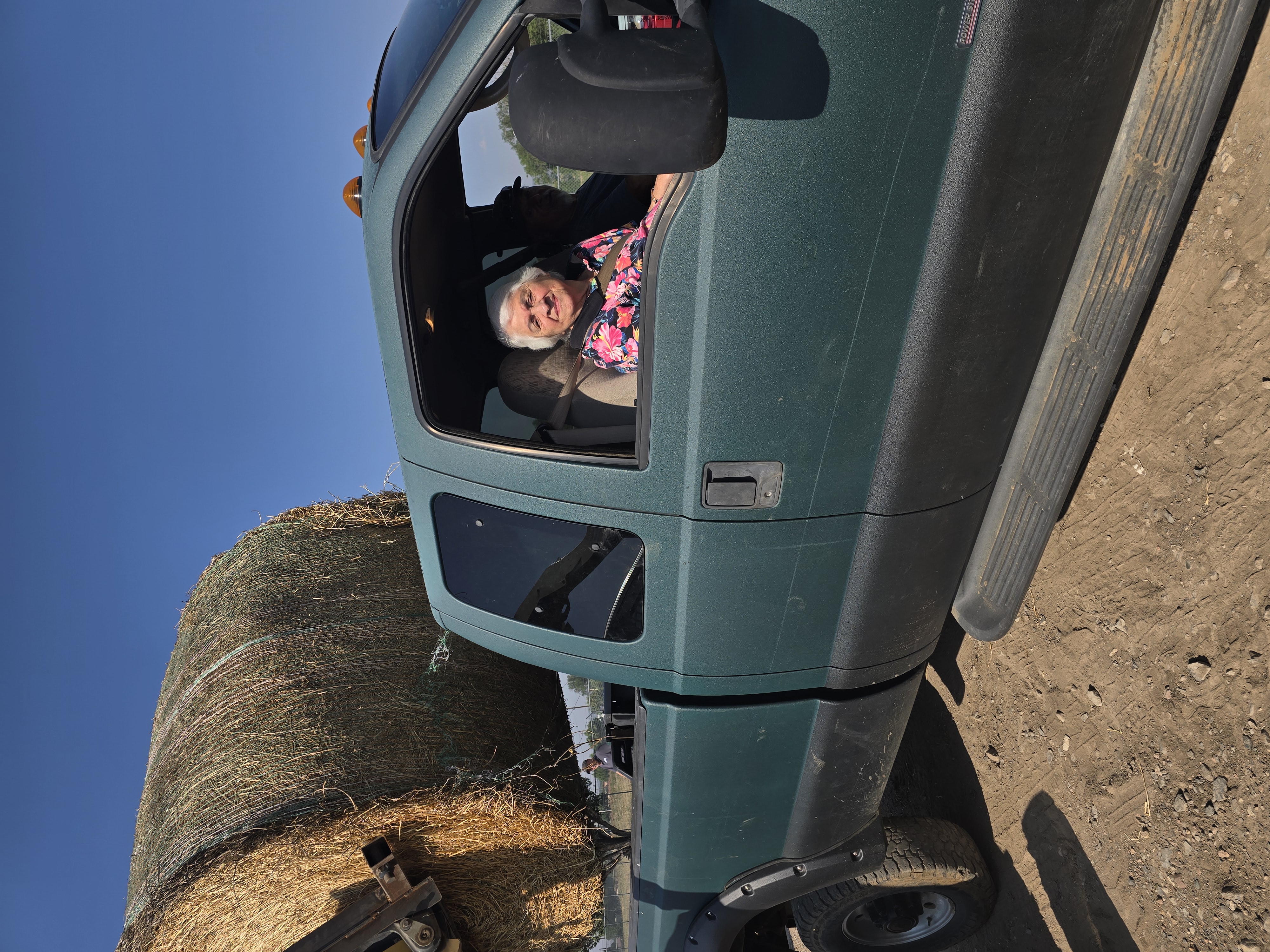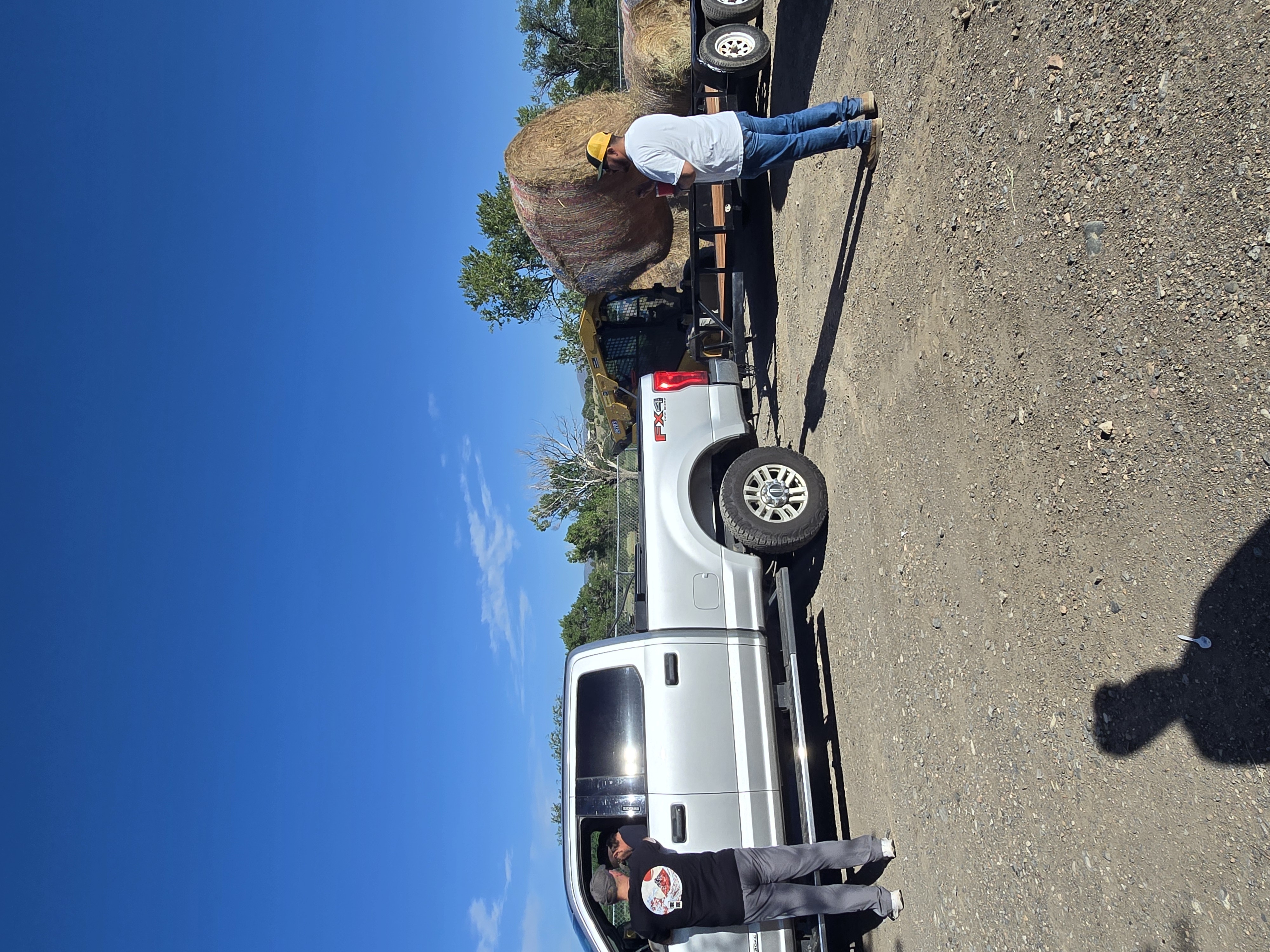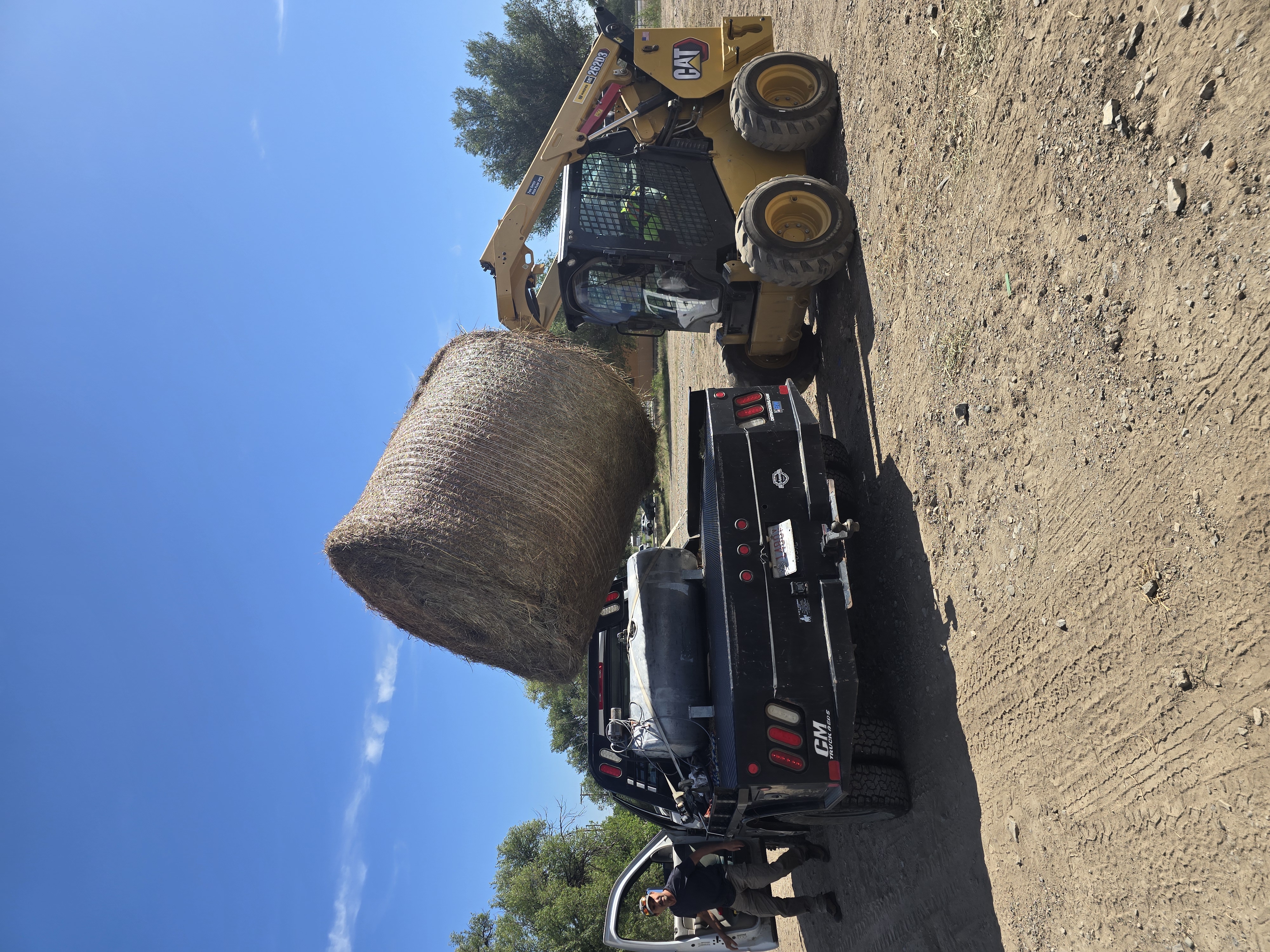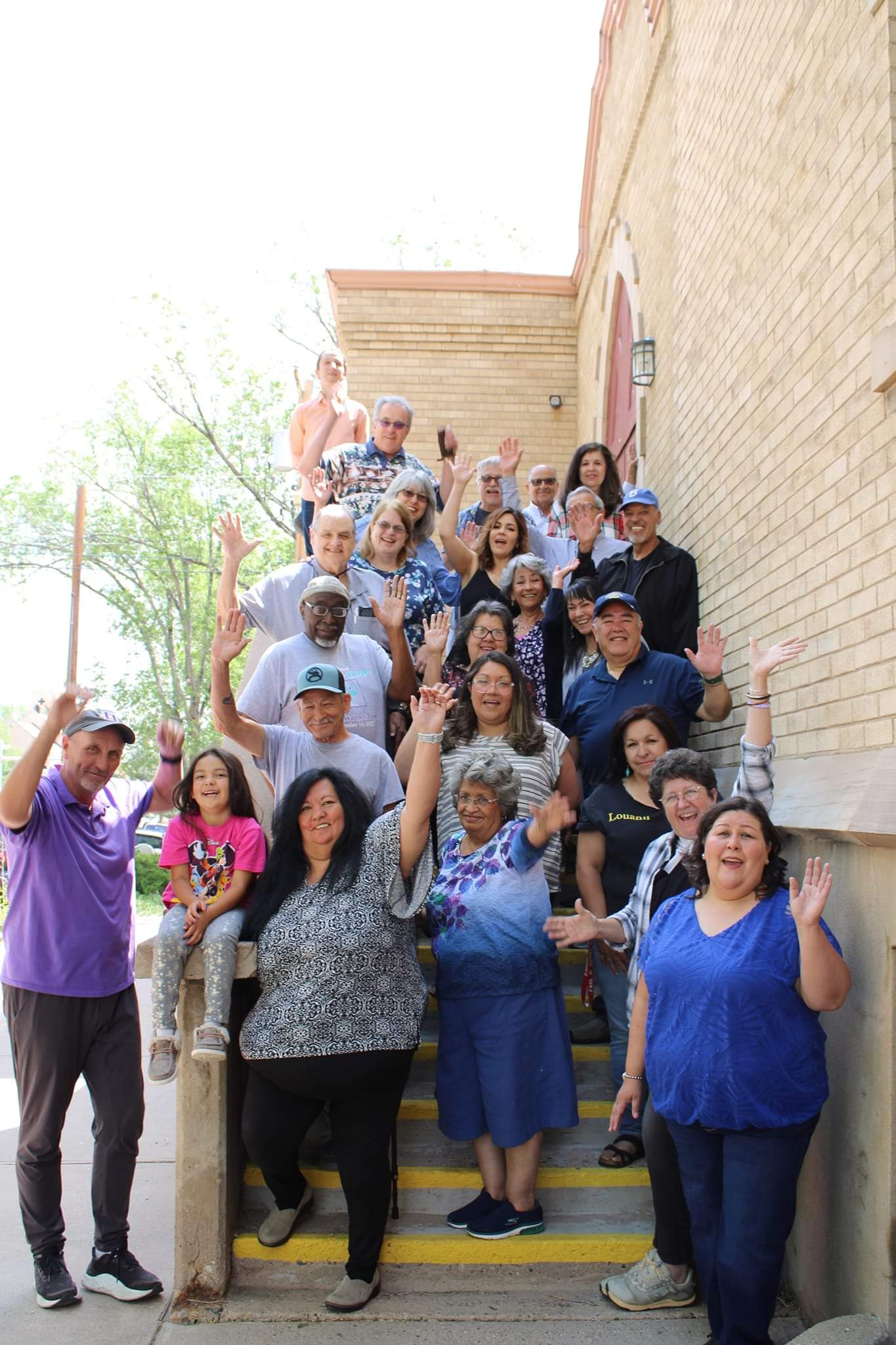
How Neighbors Helping Neighbors Responded to the HPCC Fires and Floods
Disaster recovery is often measured in dollars deployed and infrastructure rebuilt. Following the HPCC Fires and Floods, more than $5 billion flowed into response and recovery through FEMA and associated programs. Yet for many residents It felt like waiting—waiting for decisions, waiting for paperwork, waiting for someone to explain what came next.
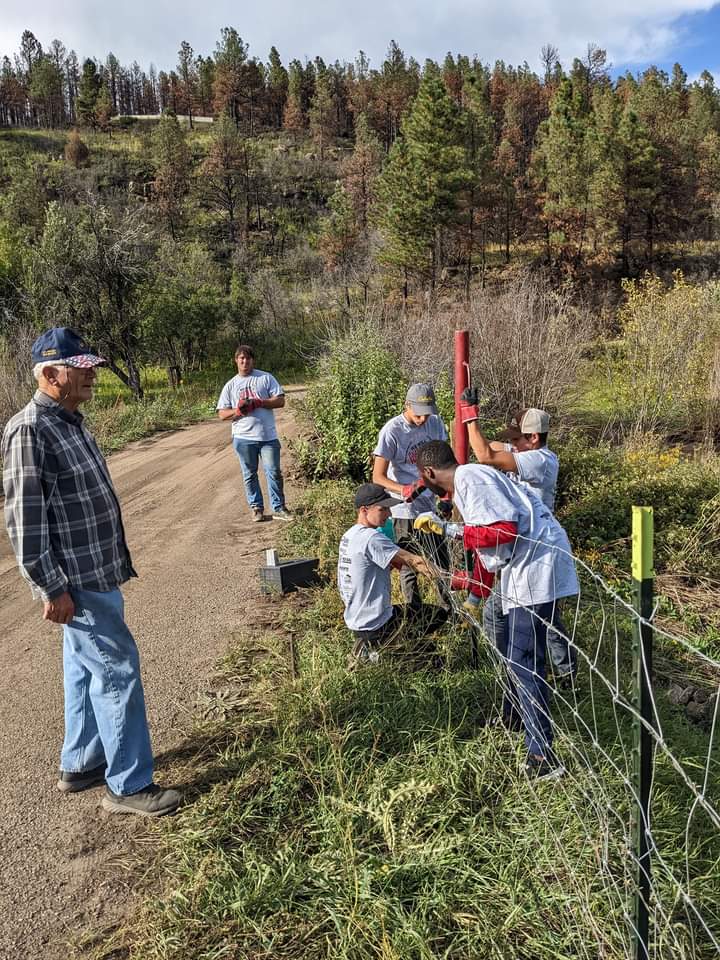
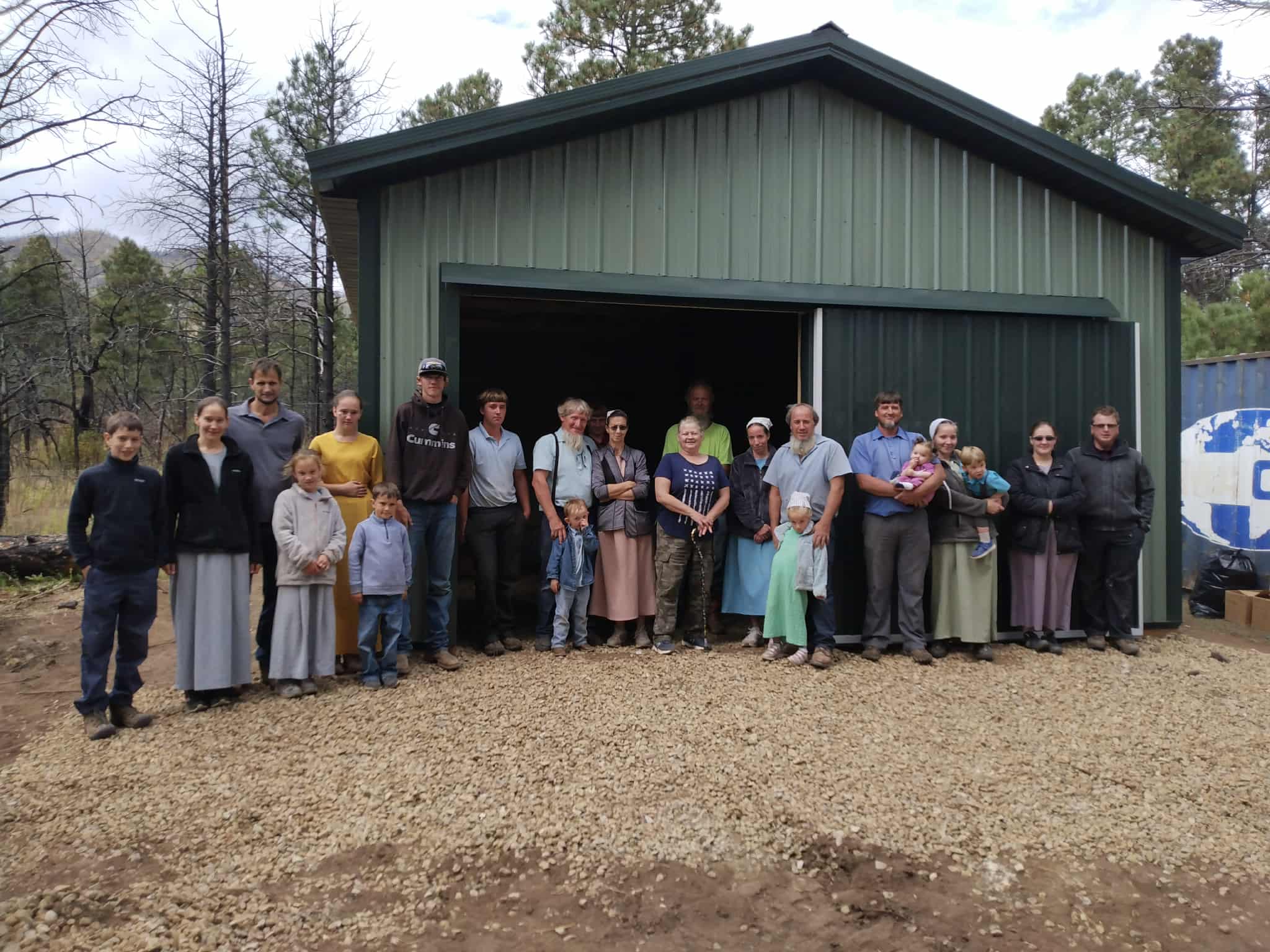
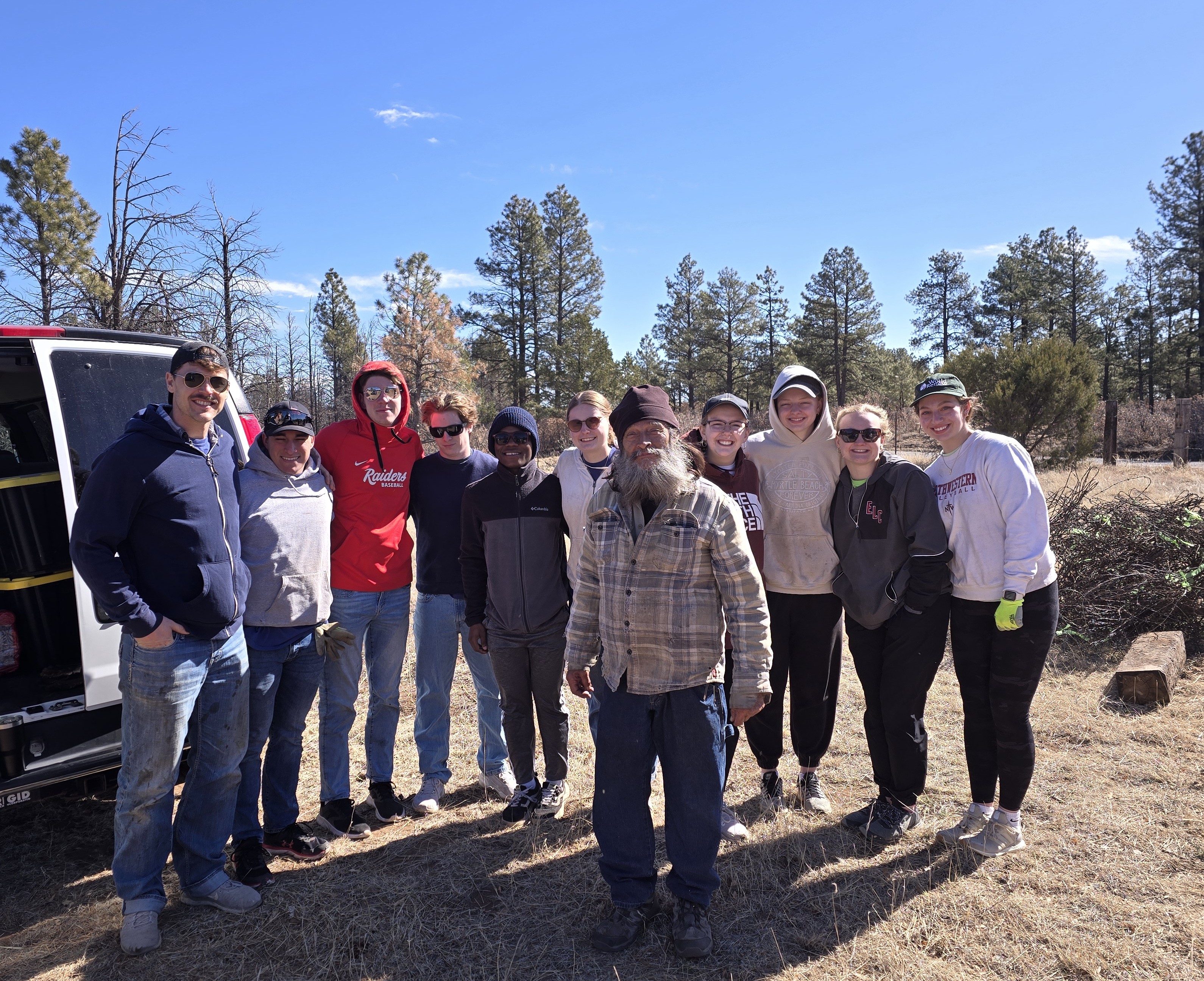
Against this backdrop, Neighbors Helping Neighbors (NHN) emerged as a vital, community-centered presence. Although NHN's operating budget was modest compared to the scale of federal disaster funding, an extraordinarily generous grant from the United Methodist Committee on Relief (UMCOR) made sustained engagement possible over the last three years. Its impact was transformational, enabling what large systems often cannot provide: time, trust, and hope.
This gap between institutional capacity and community experience raises a central question: What sustains recovery when formal systems falter or feel inaccessible? The experience of Neighbors Helping Neighbors suggests that the answer lies not primarily in scale, but in partnership.
Partnerships That Met People Where They Were
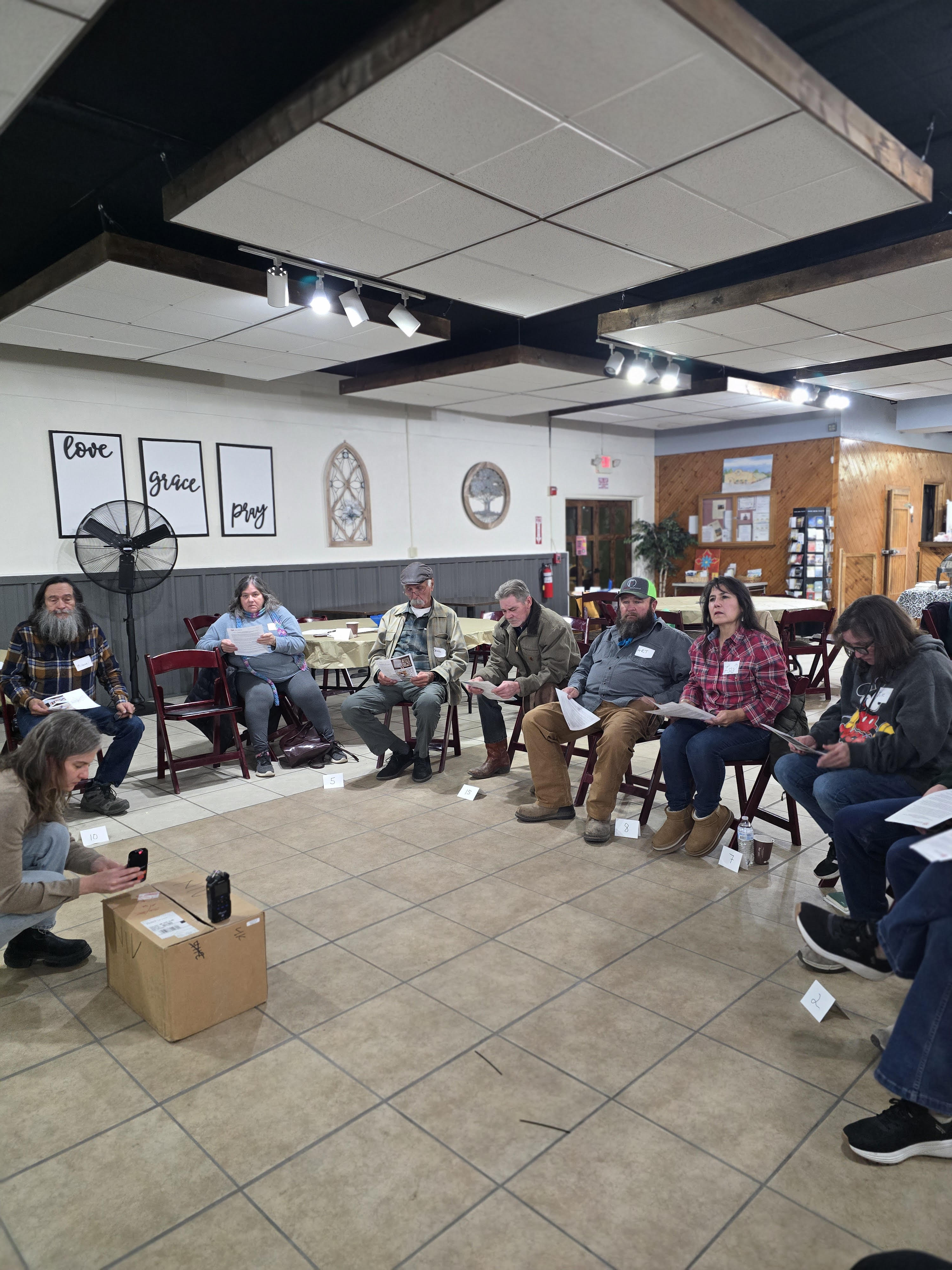
How Neighbors Helping Neighbors Centered Listening in Long-Term Recovery
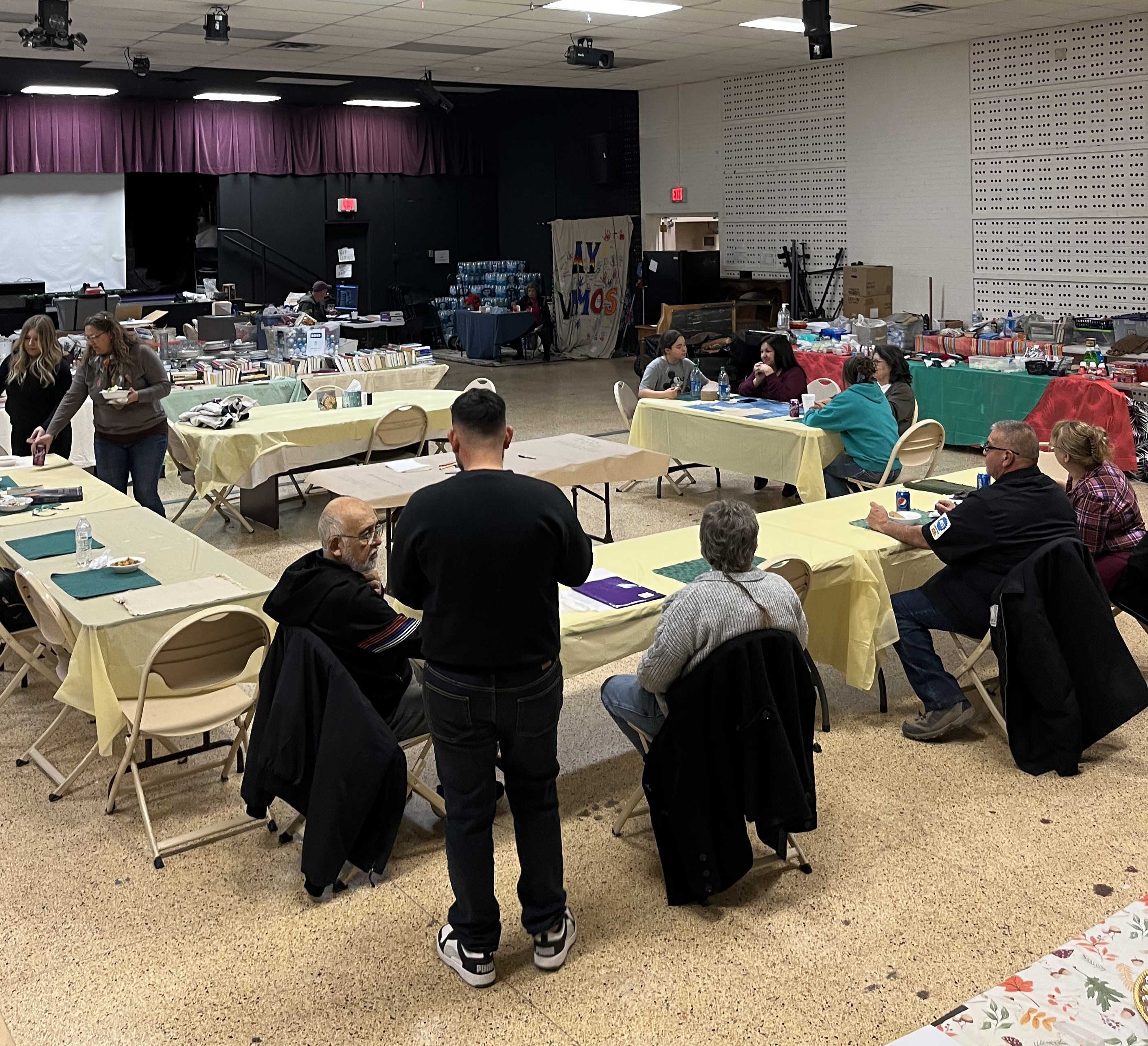
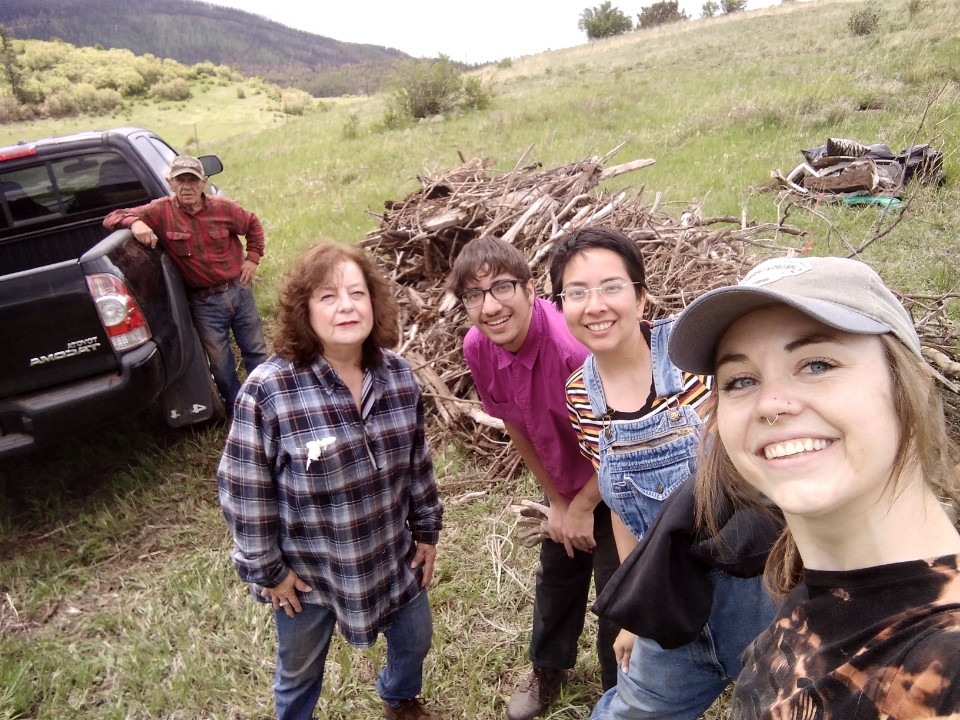
Las Vegas, NM — In the years following the HPCC Fires and subsequent flooding, Neighbors Helping Neighbors (NHN) found that recovery depended not only on resources, but on relationships. With the support of UMCOR, NHN cultivated a network of partnerships defined less by financial exchange and more by a shared commitment to meeting residents where they were in the recovery process—and listening to them as people, not as paperwork.